
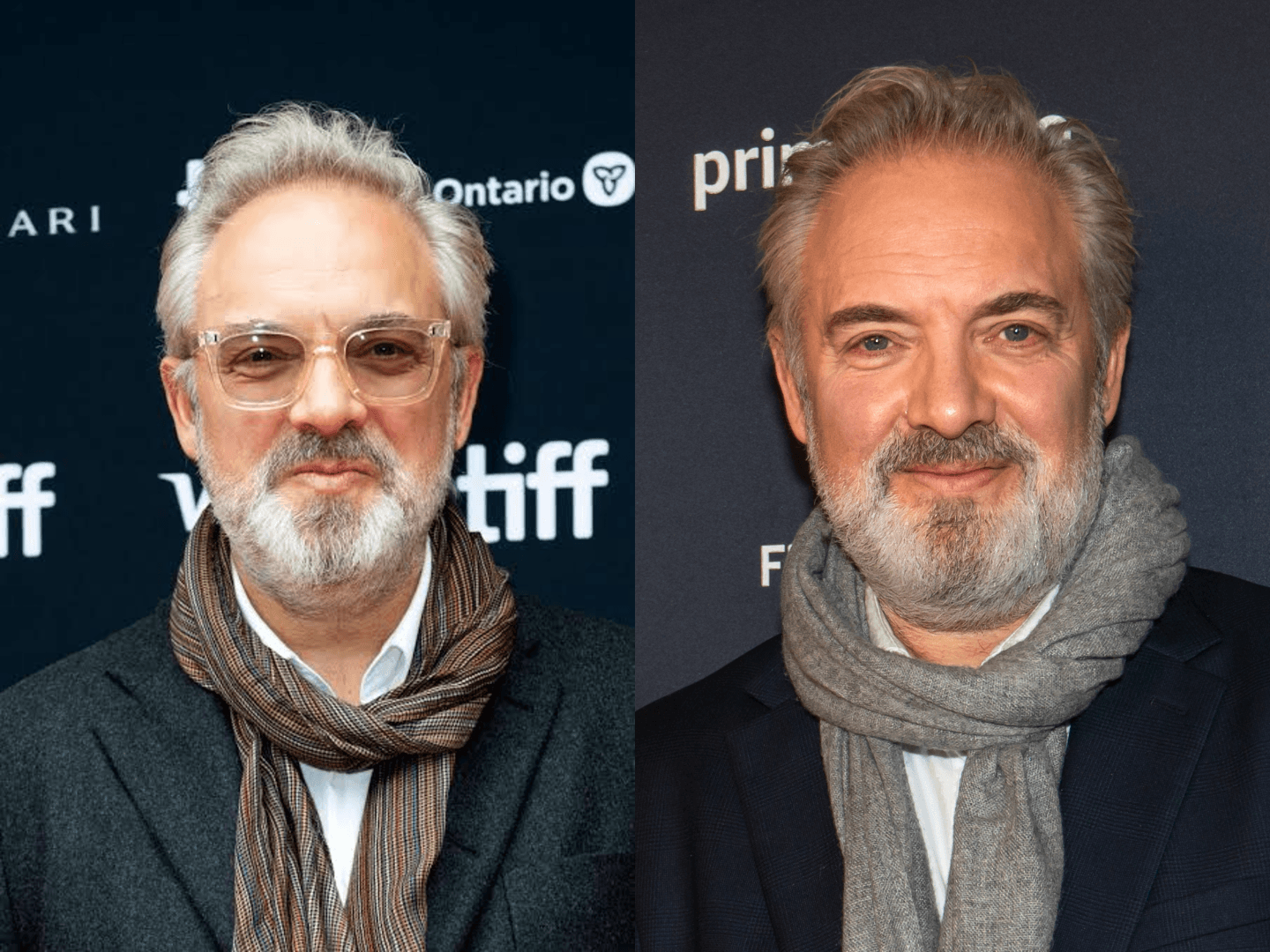
Sam Mendes has directed nine feature films, from the Oscar-winning debut American Beauty to the technical marvel *1917*. His career spans intimate dramas, blockbuster action films, and ambitious historical epics, all marked by a distinctive visual style and a theatre director’s focus on performance. This guide explores each of his films in chronological order, examining their critical reception and lasting impact.
From the London Stage to Hollywood
Before Mendes ever directed a movie, he established himself as one of Britain’s most exciting theatre directors. Born on August 1, 1965, in Reading, Berkshire, he became the artistic director of London’s Donmar Warehouse . There he staged acclaimed productions of Cabaret, The Glass Menagerie, and Othello, quickly making a name for himself in the West End . His production of Cabaret debuted in 1993, and his revival of The Glass Menagerie in 1995 catapulted him to further fame . He directed Nicole Kidman’s London stage debut in The Blue Room in 1998 . These theatrical successes brought Mendes to the attention of Steven Spielberg, who gave him the script for what would become his first feature film .
American Beauty: A Landmark Debut
Mendes made his feature film directorial debut with American Beauty in 1999. The film starred Kevin Spacey and Annette Bening and attempted to expose the seamy underbelly of life in modern American suburbia . At the 72nd Academy Awards, American Beauty won five Oscars, including Best Picture, Best Director for Mendes, Best Actor for Kevin Spacey, Best Original Screenplay, and Best Cinematography for Conrad L. Hall . Accepting his Best Director prize, Mendes thanked Spielberg’s production company DreamWorks for “having the courage to hire a bloke from England to direct a film about American suburbia” . The film was a critical and commercial sensation and remains one of the most celebrated debuts in film history.
Road to Perdition and Early 2000s Work
Mendes followed his Oscar-winning debut with Road to Perdition in 2002, a beautifully mounted mob movie starring Tom Hanks . The film follows a mob enforcer and his son in 1930s Illinois who are forced to take to the road after witnessing a murder . Critics praised the film as somber, stately, and well-crafted, exploring the ties between fathers and sons . In 2005, Mendes released Jarhead, a Gulf War drama starring Jake Gyllenhaal. The film offers a psychological study of a U.S. Marine sniper struggling with boredom, isolation, and the psychological toll of war . The movie was praised for its performances and cinematography but was noted as lacking an emotional thrust .
Revolutionary Road and Away We Go
In 2008, Mendes directed Revolutionary Road, an adaptation of the Richard Yates novel starring Leonardo DiCaprio and Kate Winslet . The drama centers on a free-spirited married couple navigating the increasingly homogeneous social milieu of 1950s American suburbia . Winslet was married to Mendes at the time, adding a layer of personal interest to the production. Critics called the film brilliantly acted and emotionally powerful . In 2009, Mendes directed the screen comedy Away We Go, which follows an expectant couple on a road trip across the United States seeking the perfect place to start their family . Critics found the film sweet but uneven, though the chemistry between stars John Krasinski and Maya Rudolph was widely praised .
Note on Net Worth and Height: The net worth figure is an estimate from industry sources and should be considered approximate. The height figure is sourced from IMDb, which is generally reliable for such biographical data. There is no public confirmation of official social media accounts for Sam Mendes .
Skyfall and Spectre: The James Bond Era
Mendes returned to filmmaking with Skyfall in 2012, a particularly well-received installment in the long-running James Bond franchise . The film stars Daniel Craig as Bond, whose loyalty to M is tested when her past comes back to haunt her . Skyfall was praised as a smart, sexy, and riveting action thriller that qualified as one of the best 007 films to date . In 2015, Mendes directed Spectre, another Bond movie that continued the series’ modern storyline . While Spectre nudged Craig’s rebooted Bond closer to the action-driven spectacle of earlier entries, critics noted it was reliant on established 007 formula . The film received a more mixed reception than its predecessor.
1917: A Technical and Emotional Triumph
In 2019, Mendes returned to the big screen with *1917*, a World War I drama that he also co-wrote . The film follows two soldiers who are assigned to race against time and deliver a message that will stop 1,600 men from walking straight into a deadly trap . The movie is an immersive experience, seemingly filmed in just two continuous takes, and was praised as a hard-hitting, impressive technical achievement that captures trench warfare with raw immediacy . *1917* was inspired by the war stories of Mendes’s grandfather, Alfred Mendes, a novelist who enlisted as a 17-year-old and fought on the Western Front . Alfred Mendes served as a signaller and messenger, and he told his grandson about carrying messages in no man’s land at dusk, an image that stuck with the director . When Mendes asked his grandfather about his war experiences, he was met with unbelievably shocking tales of utter futility and chaos . The film is a tribute to his grandfather’s bravery and the bravery of every soldier caught in the conflict .
Empire of Light and Continued Theatre Success
Mendes’s most recent film is Empire of Light, released in 2022. The drama, starring Olivia Colman, is set in an English coastal town cinema in the early 1980s and explores the power of human connection during turbulent times . While critics praised Colman’s performance and the film’s gorgeous cinematography, some found it heavy-handed and unfocused . Throughout his film career, Mendes has continued his theatre work. He directed The Ferryman, which premiered in London’s West End in 2017 and on Broadway in 2018, winning a Tony Award for Best Director in 2019 . He also directed The Lehman Trilogy, which had its world premiere in the West End in 2018 . Mendes’s ability to move between stage and screen is a testament to his versatility as a director.
The Beatles Biopic Project: A Bold New Venture
Mendes is currently developing an ambitious project that will consist of four interconnected biopic films, each centered on a member of The Beatles . The films are set for theatrical release in April 2028 . The cast includes Paul Mescal as Paul McCartney, Harris Dickinson as John Lennon, Joseph Quinn as George Harrison, and Barry Keoghan as Ringo Starr . Saoirse Ronan is set to play Linda McCartney, Anna Sawai will play Yoko Ono, and Aimee Lou Wood will play Pattie Boyd . Mendes described the project as a uniquely thrilling and epic cinematic experience, with four films told from four different perspectives that tell a single story about the most celebrated band of all time . The project has the blessing of The Beatles and Apple Corps, marking the first time they have backed a scripted film based on their lives . Sony Pictures is backing the project, and the studio has described the release strategy as bold and unprecedented .
The Signature Style of Sam Mendes
Across his filmography, Mendes demonstrates a remarkable range. He moves from intimate character studies like Revolutionary Road to sprawling action blockbusters like Skyfall with ease. His theatre background is evident in his focus on performance, his use of long takes, and his ability to create tension within confined spaces. He has collaborated with some of the most acclaimed cinematographers in the industry, including Conrad L. Hall on American Beauty and Roger Deakins on *1917* . Common themes in his work include the tension between ordinary life and extraordinary circumstances, the psychological toll of violence, and the complexities of family relationships. Whether he is directing a suburban drama, a war epic, or a James Bond film, Mendes brings a distinctive visual and emotional sensibility to his work.Frequently Asked Questions
How many feature films has Sam Mendes directed?
Sam Mendes has directed nine feature films to date. His filmography includes American Beauty, Road to Perdition, Jarhead, Revolutionary Road, Away We Go, Skyfall, Spectre, *1917*, and Empire of Light. He also has an ambitious four-film Beatles biopic project scheduled for release in 2028.
Which Sam Mendes movie won the Academy Award for Best Director?
Sam Mendes won the Academy Award for Best Director for his debut feature film, American Beauty, in 1999. The film also won the Oscar for Best Picture that same year. Mendes was nominated again for Best Director for *1917* in 2019, though he did not win a second time.
What inspired Sam Mendes to make the film 1917?
The inspiration for *1917* came directly from stories Mendes heard from his grandfather, Alfred H. Mendes. His grandfather served as a signaller and messenger on the Western Front during World War I and told Mendes about carrying messages through no man’s land at dusk. Mendes co-wrote the film as a tribute to his grandfather and to every soldier who served in the conflict.
Did Sam Mendes direct both James Bond films back to back?
Yes, Sam Mendes directed two consecutive James Bond films. He directed Skyfall in 2012 and returned to direct Spectre in 2015, both starring Daniel Craig as 007. Skyfall was critically acclaimed and is considered one of the best films in the franchise, while Spectre received a more mixed reception from critics.
What is Sam Mendes doing next after Empire of Light?
Sam Mendes is currently developing an ambitious project consisting of four interconnected biopic films, each centered on a different member of The Beatles. The films will be released in April 2028 and have received approval from Paul McCartney, Ringo Starr, and the estates of John Lennon and George Harrison. The cast includes Paul Mescal, Harris Dickinson, Joseph Quinn, and Barry Keoghan.
These FAQs are designed to address the most common and searchable questions readers may have after reading the article. Each answer is concise, factual, and draws only from verified information presented in the main article.
